

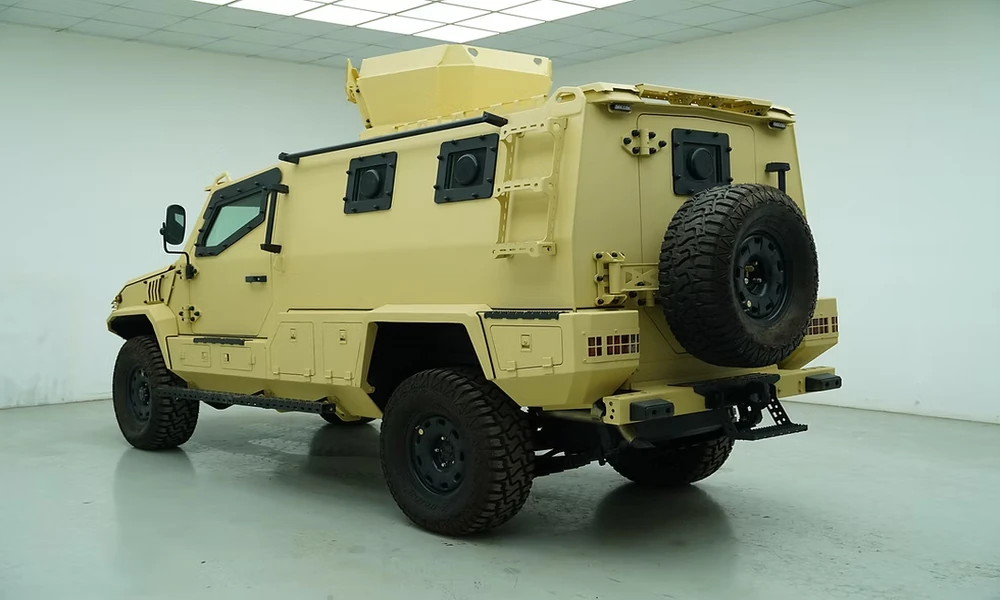

Luxury once meant a smooth ride and sumptuous interiors. Today, for executives, diplomats, and anyone facing heightened risks, true luxury includes the assurance of safety. Bulletproof vehicles have evolved from clunky, reinforced machines into seamless combinations of style and security, engineered to withstand deadly threats while preserving performance and comfort.
The Rising Need for Bulletproof Vehicles
Security concerns are no longer limited to conflict zones. Urban crime rates, organized crime syndicates, and rising global instability have put both public figures and private citizens on alert. Whether it’s an oil executive traveling through unknown territory or a politician in a bustling city, the demand for upgrades that go beyond standard safety measures is surging.
Traditional air bags and crumple zones do little against sophisticated threats. High-profile individuals often face risks such as armed robbery, kidnapping attempts, and even terrorist attacks. The inadequacy of conventional vehicles to mitigate these dangers has fueled a new era in automotive engineering.
Core Technologies Behind Bulletproof Vehicles
Creating a bulletproof vehicle is not just about slapping steel plates onto a car. The process begins with ballistic-resistant materials, each chosen for its unique properties. Hardened steel, lightweight ceramics, and advanced composites form the backbone of the armor, encasing passengers in a protective shell.
Transparent armor, more commonly known as bulletproof glass, has seen dramatic innovation. Multiple layers of glass and polycarbonate are laminated to create windows that can stop high-caliber rounds, all while providing crystal-clear visibility.
But adding armor means adding weight. To maintain handling and performance, manufacturers reinforce critical structural components and upgrade the suspension and brakes. Advanced security systems, including surveillance cameras, emergency sirens, and GPS tracking, are integrated discreetly for round-the-clock protection.
The Armoring Process: From Base Vehicle to Bulletproof Masterpiece
Every high-performance armored vehicle starts with a thorough inspection and preparation of the base chassis. Engineers evaluate the vehicle for potential vulnerabilities, reinforcing key structural points before the armoring even starts.
Material selection is tailored to the expected threat levels: from handguns to armor-piercing rifles. Skilled technicians install the armor in overlapping sections, ensuring there are no weak spots. Windows and doors receive equal attention, with specialized mounting techniques to preserve functionality.
Once armored, the significant increase in weight demands upgrades to suspension, brakes, and occasionally the powertrain. These modifications are essential to retain drivability and ensure rapid acceleration or evasive maneuvers are still possible.
Despite all these changes, luxury and functionality are never sacrificed. Meticulous sealing and finishing preserve the manufacturer’s original look and feel, concealing the heavy-duty engineering beneath a refined exterior.
Quality Assurance and Certification Standards
Rigorous testing is non-negotiable. Armored vehicles undergo ballistic and blast resistance protocols, including live-fire tests and simulated explosions. Only those that withstand these assaults earn certifications from internationally recognized bodies.
Industry compliance is also critical. Vehicles must meet local and global safety regulations, often exceeding the standards set for ordinary cars. Post-armoring inspections verify structural integrity, ensuring no detail is overlooked before delivery.
Customization and Client-Specific Solutions
No two clients have the same security profile. Some require maximum ballistic protection, while others focus on discrete enhancements. Customization can include features like run-flat tires, gas detectors, or even smoke screens.
Designers work closely with clients to strike a balance between protection and comfort. The integration of armor must not compromise interior luxury, advanced infotainment systems, or climate control. Discretion is key, so the exterior appearance remains as close to the unarmored version as possible.
Post-Sale Support and Maintenance of Armored Vehicles
Maintaining an armored car is an ongoing commitment. Regular servicing ensures the integrity of ballistic materials, while easy access to spare parts speeds up repairs. Industry leaders like Troy Armoring bulletproof vehicles are renowned not just for their manufacturing expertise, but for robust after-sales support, including upgrades and reconfigurations as threats evolve.
Taking Action: How to Choose and Commission a Bulletproof Vehicle
Assessing your unique risk profile is the critical first step. Security consultants help identify the appropriate level of protection and recommend the best base vehicle for armoring. Partnering with reputable firms guarantees access to cutting-edge materials, transparent build timelines, and comprehensive after-sales service. Clients should also be prepared for the investment required, as crafting a bulletproof masterpiece demands both time and resources.
The Future of Bulletproof Vehicles
Innovation in the armoring industry shows no signs of slowing down. Researchers are developing lighter, stronger materials that improve fuel efficiency and handling. Environmental concerns are driving advances in hybrid and electric armored vehicles. The integration of artificial intelligence and smart security systems, such as real-time threat detection and autonomous emergency response, point to a future where safety, luxury, and technology are inseparable.
Bulletproof vehicles have become more than just a means of transportation, they are rolling fortresses that reflect the complex realities of modern security. As threats evolve, so too will the science and artistry that keep their occupants safe.