

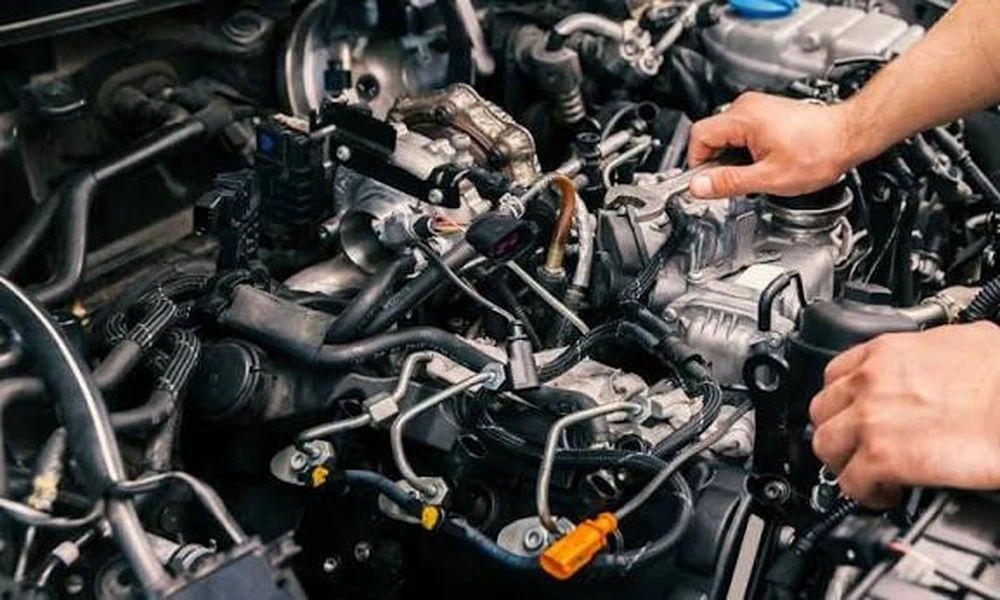

Modern diesel engines depend on precise electronic control to deliver power, efficiency, reliability, and lower emissions. Control modules are at the center of this technology. These electronic units collect information from sensors, process operating conditions, and send commands to different engine components. By managing these functions continuously, control modules help diesel engines perform effectively under changing conditions.
By bridging the gap between raw mechanical parts and real-time electronic computing, sophisticated diesel control modules allow modern powertrains to process thousands of inputs per second, ensuring peak efficiency and responsive power delivery across all operational demands.
What Are Control Modules?
A control module is an electronic computer designed to monitor and manage specific functions within a vehicle or machine. In diesel engines, the Engine Control Module (ECM) is commonly responsible for controlling important engine operations. Depending on the vehicle, additional modules may communicate with the ECM to manage transmission, emissions, and other systems.
The module receives information from sensors that monitor parameters such as:
- Engine speed and temperature
- Fuel pressure and injection conditions
- Air intake pressure and temperature
- Exhaust gas conditions
- Accelerator position
The module analyses this information and adjusts engine operation accordingly.
Improving Fuel Injection
One of the most important roles of a control module is managing fuel injection. Diesel engines require accurate fuel delivery to achieve efficient combustion. The control module determines when and how much fuel should be injected based on engine speed, load, temperature, and other operating conditions.
Precise control of injection timing and quantity can improve combustion consistency and help prevent unnecessary fuel consumption. It also allows the engine to respond more effectively when the vehicle accelerates, carries a heavy load, or operates at different speeds.
Supporting Engine Performance
Control modules continuously adapt engine operation to changing conditions. When the vehicle is climbing a hill, carrying additional weight, or operating at high temperatures, the system can adjust various parameters to maintain suitable performance.
Electronic control can also contribute to smoother idling and more consistent power delivery. This is particularly important for heavy-duty vehicles and equipment that may operate for extended periods under demanding conditions.
Managing Emissions
Emission control has become an important part of modern diesel engine design. Control modules coordinate several systems that help reduce harmful exhaust emissions.
Depending on the engine configuration, the module can monitor and control systems such as exhaust gas recirculation, diesel particulate filters, and selective catalytic reduction. By using information from different sensors, it can adjust operating parameters and support effective aftertreatment system operation.
Diagnostics and Engine Protection
Another important advantage of control modules is their ability to monitor engine health. When a sensor detects an abnormal condition, the module can record a diagnostic fault code and alert the operator.
This information helps technicians identify potential problems more efficiently. In certain situations, the control module can also activate protective strategies, such as limiting engine power, to reduce the risk of serious damage.